Turning Data into Direction: Using Research to Strengthen Marketing Leadership
In leadership, intuition can start a conversation, but data is what sustains it. The most effective marketing leaders understand that credible, research-driven insights not only guide campaigns but also earn trust from decision-makers, staff, and the community.
In city and organizational marketing, every recommendation competes with other priorities for funding, time, and approval. When you can support your ideas with clear, data-backed reasoning, you shift from being the “creative voice in the room” to the “strategic voice at the table.” For instance, instead of simply suggesting an increase in digital advertising, a leader who presents analytics showing a 40% engagement spike from previous paid campaigns immediately grounds their argument in measurable results.
Marketing research also enhances internal collaboration. Departments such as finance, public works, and administration often speak different “languages” such as numbers, reports, and ROI. Research is what bridges that gap. By translating audience data into cost-benefit terms, a marketing leader can connect creative vision with fiscal responsibility, building alignment across teams. For example, if survey results reveal that a local tourism campaign increased downtown foot traffic and local sales, that insight can justify continued investment in promotional initiatives while strengthening interdepartmental support.
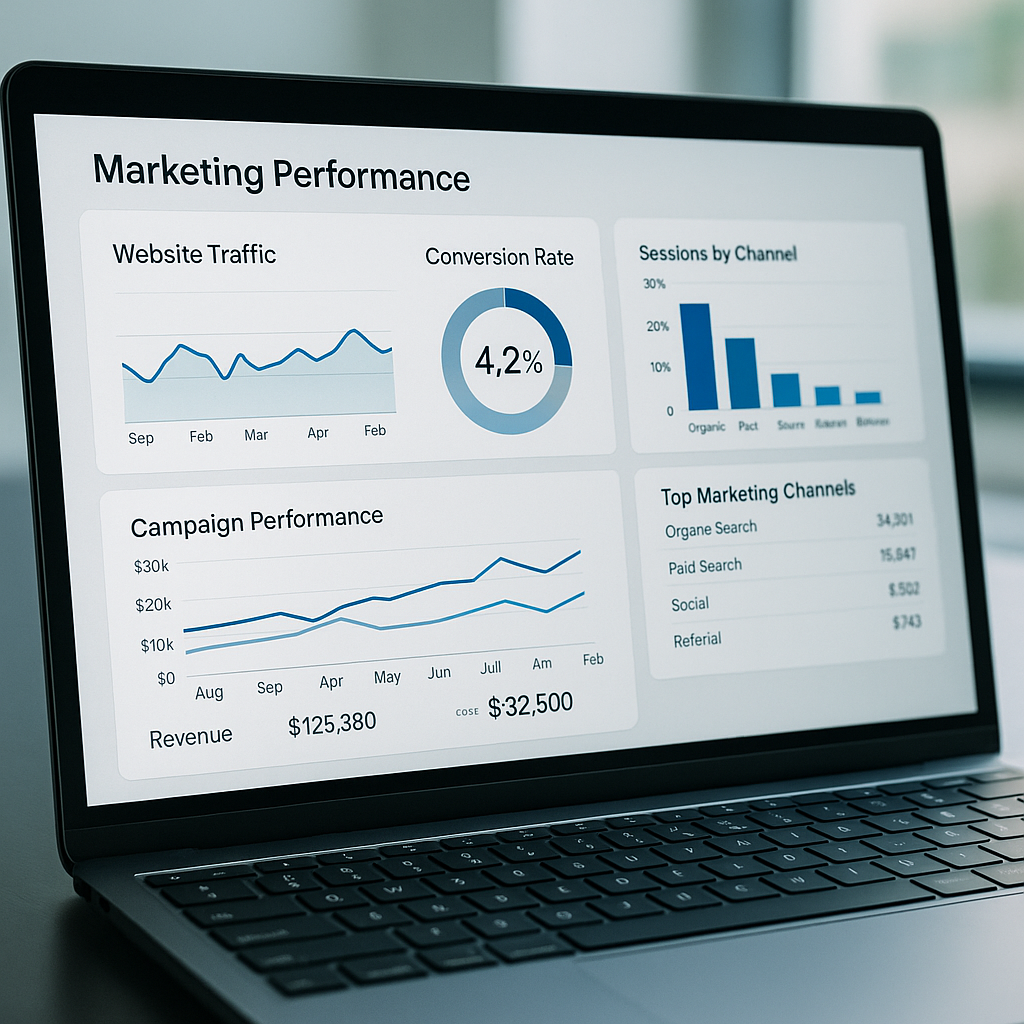
Leaders who track and share key performance indicators (KPIs) for campaigns, website analytics, or public engagement show measurable progress rather than subjective success. Dashboards and post-campaign reports can transform leadership discussions from “What worked?” to “What should we do next?”
When data becomes the foundation of decision-making, marketing leaders don’t just promote programs; they shape that organization's direction.
